SEIBUKAN SHORIN-RYU KARATE-DO
Our purpose is to practice, preserve, and pass forward the Seibukan karate handed down through the Shimabukuro family, while honoring the Okinawan history, culture, and people that shaped it.
Karate was born in the Ryūkyū Islands, where generations of Okinawans developed their own methods of fighting and self-defense. These indigenous arts were commonly known as Ti and developed over hundreds of years, shaped by Okinawa’s own culture as well as its long relationships with China and Japan.
Because much of this early history was never written down, exactly how these influences came together is difficult to know. The clearer historical trail begins with Tōde Sakugawa and continues through his student Sōkon Matsumura.
Matsumura became one of the most important figures in the development of Okinawan karate. He served the Ryūkyū Kingdom as a bodyguard and martial arts instructor to the royal family and became known for his exceptional skill. Among those who learned from Matsumura was Chōtoku Kyan, whose father, Chōfu Kyan, had also trained under Matsumura.
Kyan began training at an early age under his father and later studied directly with Matsumura. But his karate did not come from one teacher alone. Over the course of his life he sought out some of Okinawa’s finest martial artists, learning different kata and fighting methods from each.
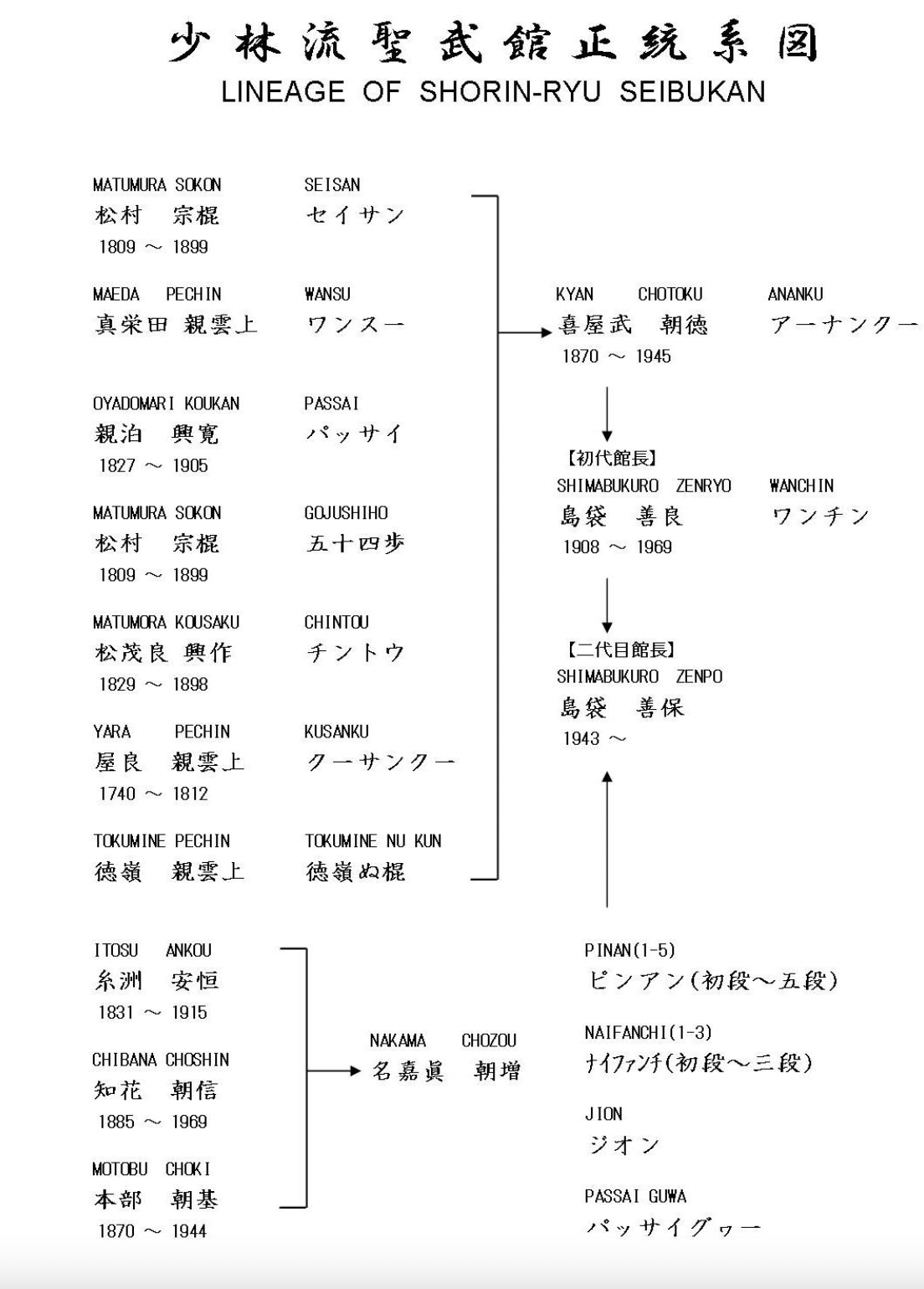
From his father came Seisan. From Matsumura came Gojūshiho. Kyan learned Chintō from Kōsaku Matsumora, Passai from Kokan Oyadomari, Wansū from Maeda Pēchin, and Kūsankū from Chatan Yara. He later learned Tokumine no Kun from a student of Pēchin Tokumine.
Kyan preserved the differences in what his teachers gave him. Rather than changing the kata to fit a single standardized way of moving, he retained their different methods and characteristics. That variety remains part of the karate we practice today.
Of the students who trained with Kyan, Zenryō Shimabukuro spent the longest time under his instruction. Zenryō began training with Kyan in 1935 and continued until the war reached Okinawa in 1945. For roughly ten years, he studied the karate that would eventually become the foundation of Seibukan.
After the devastation of World War II, Zenryō continued practicing and teaching Kyan’s karate. In 1959 he began teaching American servicemen at Fort Buckner, assisted by his son Zenpō Shimabukuro, who had begun training with his father at the age of nine.
In June 1962, father and son founded the Shōrin-Ryū Seibukan Dōjō in Jagaru, Okinawa. The name Seibukan — “Holy Art School” — eventually came to identify not only the dōjō, but the karate preserved and taught there.
The following year, Zenpō traveled to the United States to teach. He arrived in Philadelphia in September 1963 and spent approximately two and a half years there, teaching Seibukan and becoming one of the early Okinawan karate teachers to establish a presence in America. He returned to Okinawa in 1966 and worked closely with his father to continue developing and preserving Seibukan.
When Zenryō died unexpectedly from a ruptured appendix on October 14, 1969, Zenpō became the second Supreme Instructor of Shōrin-Ryū Seibukan. He took on the responsibility his father had given him: to preserve the karate they had inherited from Kyan and pass it forward.
In 1975, the International Seibukan Karate-dō Association was formed, beginning the next stage in Seibukan’s growth outside Okinawa. Through decades of teaching and travel, Hanshi Zenpō Shimabukuro has carried Seibukan around the world, continuing the karate passed from Kyan to his father and then to him and now to the next generation to Zenshun and Zenei shimabukuro.
That lineage is more than a collection of names and dates. It lives in the kata, kihon, movement, principles, and methods of training handed from teacher to student over generations.
That is the tradition we continue to practice today.
THE MASTERS
Explore the deeper history of Shorin-Ryu Seibukan Karate—from the teachings of Chotoku Kyan and the development of Zenryo Shimabukuro’s karate to the founding of Seibukan and its continuation through generations of practitioners. This extended history looks beyond dates and names to the people, relationships, influences, and traditions that shaped the Seibukan we practice today.
the beginning
It begins here…
SŌKON MATSUMURA
Bushi • 1797–1890
Sōkon Matsumura is one of the foundational figures in the lineage that leads to Seibukan. Born in Yamagawa Village in Shuri, he began studying martial arts as a young man with Tōde Sakugawa, who served the Ryūkyū royal family as a bodyguard and martial arts instructor.
Matsumura went on to serve the Ryūkyū Kingdom himself, eventually becoming chief martial arts instructor and bodyguard to the last three kings of Okinawa — Shō Kō, Shō Iku, and Shō Tai. His extraordinary martial skill earned him the title Bushi, or warrior.
His training extended beyond Okinawa. Matsumura studied martial arts in China and Japan and became skilled in Japanese swordsmanship as well as Okinawan fighting methods. Through a lifetime of training and service, he became one of the most influential martial artists of his generation.
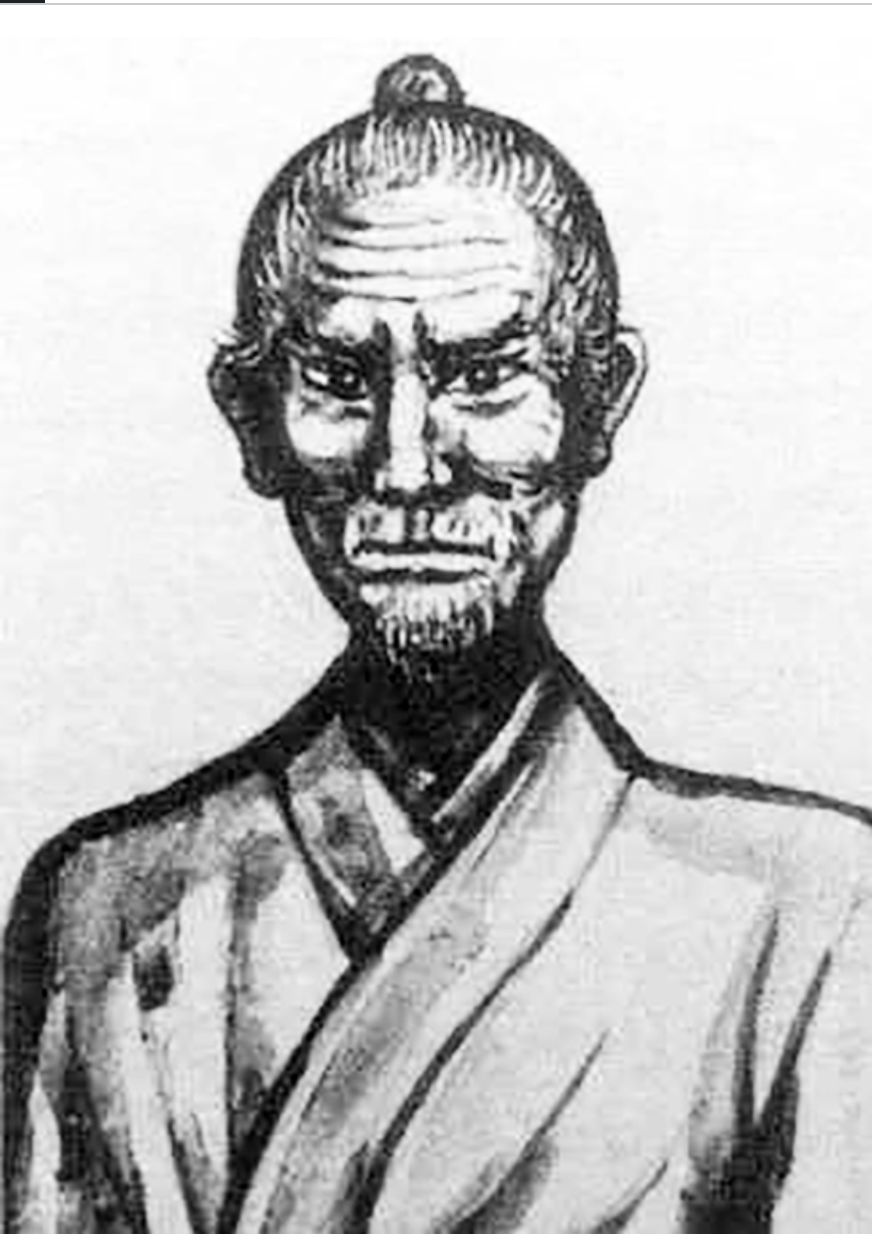
Matsumura believed martial training was about much more than learning to fight. His writings connected the martial arts with character, virtue, self-control, judgment, and living peacefully within society. The goal was not simply to become capable of violence, but to develop the wisdom and discipline to know when — and when not — to use that ability.
Among the people Matsumura taught was Chōtoku Kyan. Kyan trained with the elderly Matsumura for approximately two years and learned Gojūshiho from him. Matsumura’s teaching left a lasting impression on the young Kyan, particularly his emphasis on loyalty, devotion, and lifelong training.
Through Kyan, and later Zenryō and Zenpō Shimabukuro, that influence became part of the foundation of Shōrin-Ryū Seibukan.
The lineage continues not simply because techniques were remembered, but because people committed themselves to practicing them and passing them forward.
Matsumura’s influence continued through Chōtoku Kyan, who carried these teachings forward while also seeking out other great Okinawan masters. From Kyan, the path leads to Zenryō Shimabukuro, the founding of Seibukan, and eventually to his son Zenpō.
Their stories continue below.
Matsumura’s influence continued through Chōtoku Kyan, who carried these teachings forward while also seeking out other great Okinawan masters. From Kyan, the path leads directly to Zenryō Shimabukuro, the founding of Seibukan, and eventually to his son Zenpō.
Their stories continue below.
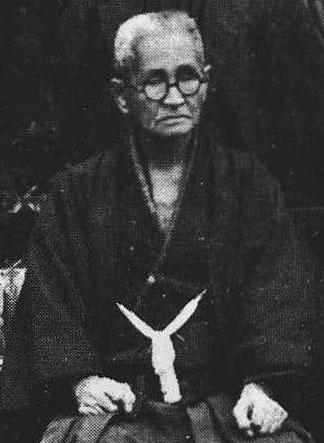
CHŌTOKU KYAN
Master of Okinawan Karate • 1870–1945
Chōtoku Kyan was one of the most influential Okinawan karate masters of his generation and the teacher at the heart of the Seibukan lineage.
Born in 1870 into the Ryūkyū aristocracy, Kyan began martial arts training at an early age under his father, Chōfu Kyan, an accomplished martial artist and student of Sōkon Matsumura. Small and physically frail as a child, Kyan was pushed to train hard, developing the movement, skill, and fighting ability for which he would later become known.
Kyan eventually trained directly with Sōkon Matsumura and continued his study with several prominent Okinawan masters. Rather than changing what he learned to make everything conform to one system, Kyan preserved the different methods and characteristics passed to him by his teachers. That diversity became an important part of the karate later preserved in Seibukan.
Kyan believed karate had to be learned through consistent, lifelong practice. Kata was not simply something to memorize or perform. Technique, application, conditioning, movement, strategy, body and spirit all had to develop together. He taught that karate should build not only fighting ability, but self-control, modesty, calmness, courage, and character.
Kyan never sought a large following. He preferred to teach a relatively small number of dedicated students. Among them was Zenryō Shimabukuro, who began training with Kyan in 1935 and remained his student until the war interrupted training in 1945. Of Kyan’s remembered students, Zenryō trained with him for the longest period.
Kyan died in 1945 at the age of 75, shortly after the Battle of Okinawa. But the karate he spent his life studying did not disappear.
Through Zenryō Shimabukuro, Kyan’s karate became the foundation of Shōrin-Ryū Seibukan — and through Seibukan, his teachings continue to be practiced today.
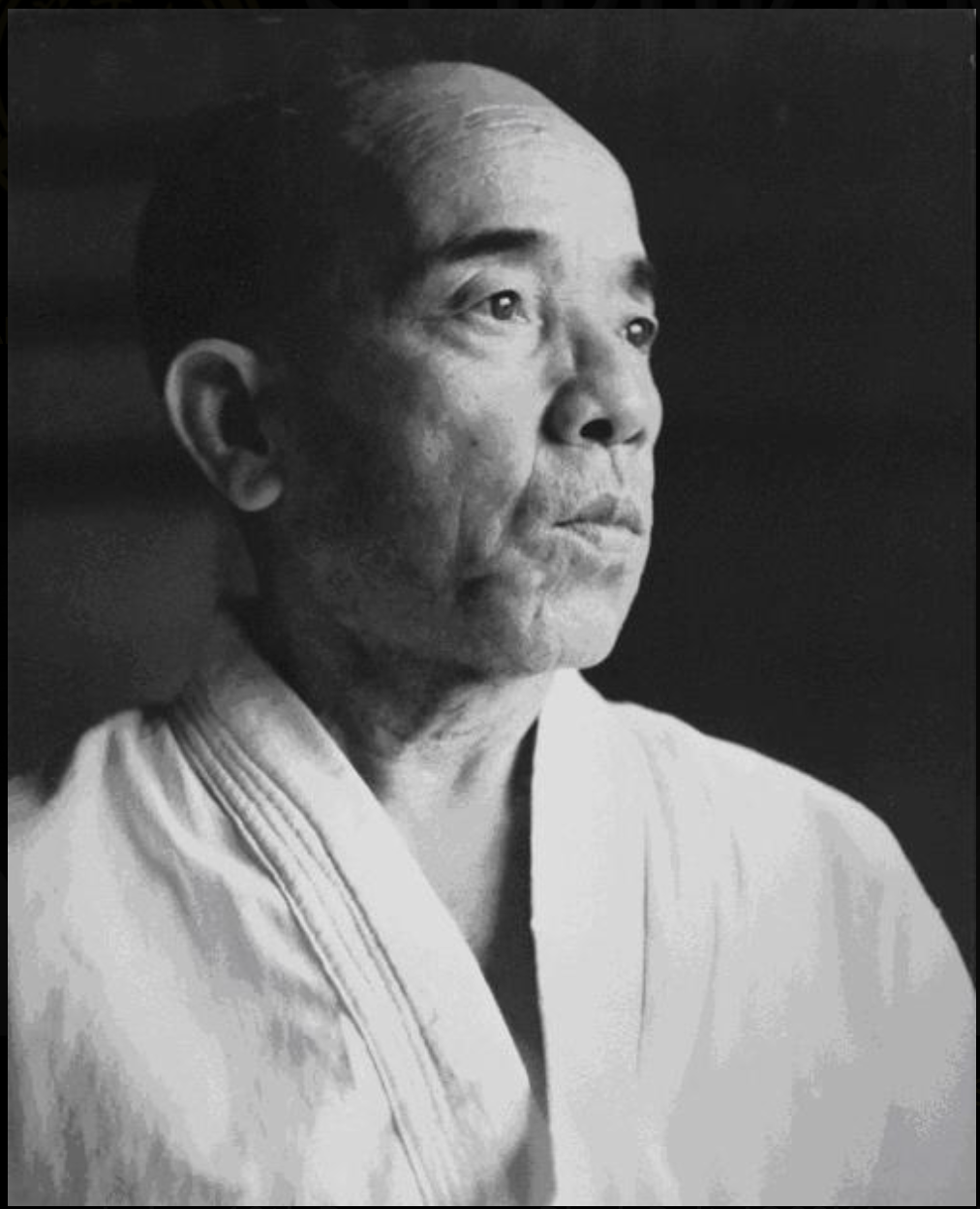
ZENRYŌ SHIMABUKURO
Founder of Shōrin-Ryū Seibukan • 1908–1969
Zenryō Shimabukuro was the senior student of Chōtoku Kyan and the founder of Shōrin-Ryū Seibukan.
Born in Okinawa in 1908, Zenryō worked a number of jobs before becoming a baker. Unlike many karate masters, he did not begin training as a child. He was 27 years old when he began studying with Chōtoku Kyan in 1935.
Kyan was careful about accepting students, so Zenryō asked a close friend to introduce him. Once accepted, he made training part of his daily life, often visiting Kyan while making bakery deliveries through the Kadena and Yomitan areas. He continued training with Kyan for approximately ten years, until the war reached Okinawa in 1945.
After the war, Zenryō continued practicing and teaching Kyan’s karate while helping rebuild his own life and community. In 1959, he began teaching American servicemen at Fort Buckner, assisted by his sixteen-year-old son, Zenpō Shimabukuro. The classes grew quickly.
In June 1962, Zenryō and Zenpō founded the Shōrin-Ryū Seibukan Dōjō in Jagaru, Okinawa. Built with the help of family, neighbors, friends, and students, it gave Kyan’s karate a permanent home. Seibukan, meaning “Holy Art School,” would eventually become the name by which their karate was known around the world.
Zenryō believed karate should have a practical purpose in life. He taught that training should help a person protect their family, protect themselves so they could care for their family, and maintain the health needed to continue doing so. His approach was shaped not only by karate, but by his experiences before, during, and after the war.
He was also deeply involved in the rebuilding and organization of Okinawan karate. In 1964 he was awarded 10th Dan and the title of Hanshi, and he became a respected leader within the Okinawan karate community.
Zenryō died unexpectedly from a ruptured appendix on October 14, 1969, at the age of 61. His son Zenpō then took responsibility for the dōjō and the karate his father had worked to preserve.
Zenryō took the karate entrusted to him by Chōtoku Kyan, preserved it, taught it, and gave it a home. That home was Seibukan.
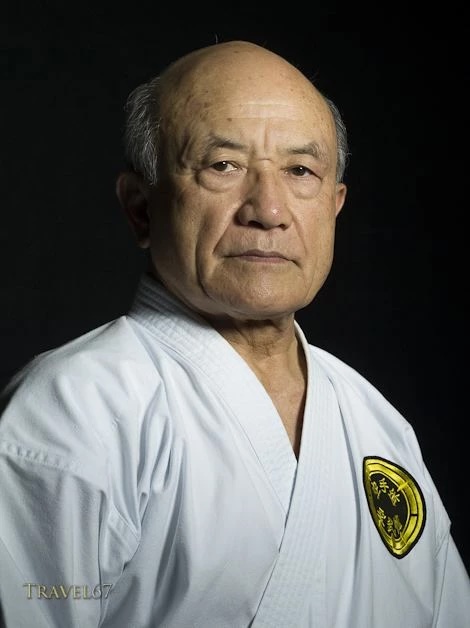
ZENPŌ SHIMABUKURO
Hanshi • 10th Dan • Second Supreme Instructor • 1943–
Zenpō Shimabukuro inherited the responsibility of carrying Seibukan forward and became the driving force behind its growth around the world.
Born in Chatan, Okinawa, in 1943, Zenpō began learning karate from his father, Zenryō Shimabukuro, at the age of nine. Training took place at the family home and outside near the house. As a boy, he had little idea that the karate he was learning would one day become his life’s responsibility.
When Zenryō began teaching American servicemen at Fort Buckner in 1959, sixteen-year-old Zenpō assisted him. Working with the Americans encouraged him to learn English and gave him early experience teaching people from outside Okinawa.
In 1962, Zenpō helped his father build the Shōrin-Ryū Seibukan Dōjō in Jagaru. The following year, at his father’s encouragement, he traveled to Philadelphia to teach. During approximately two and a half years in the United States, he taught Seibukan, developed his English, and successfully competed in some of the major karate tournaments of the time.
Zenpō returned to Okinawa in 1966 and worked closely with his father at the Jagaru Dōjō. Together they worked to preserve and standardize the training methods and kata of Shōrin-Ryū Seibukan as they looked toward its future beyond Okinawa.
When Zenryō died unexpectedly in 1969, Zenpō was only 26 years old. He became the second Supreme Instructor of Shōrin-Ryū Seibukan and accepted the responsibility of continuing the karate entrusted to his family through Chōtoku Kyan.
In 1975, the International Seibukan Karate-dō Association was formed, helping connect Seibukan practitioners outside Okinawa. Over the decades that followed, Zenpō traveled extensively, teaching and sharing Seibukan with students throughout the world while remaining rooted in the karate passed from Kyan to Zenryō and from Zenryō to him.
For Zenpō, preserving Seibukan is not simply about remembering the past. It is about training, effort, and passing the karate forward without losing what gives it meaning. His teaching reflects a simple idea found throughout his writings:
The secret of karate is in the effort.
Through a lifetime of training and teaching, Hanshi Zenpō Shimabukuro has carried his father’s responsibility forward — taking the karate given a home by Zenryō and sharing Seibukan with the world.
THE LINEAGE CONTINUES
Seibukan did not end with the masters who shaped it. Their karate continues wherever it is practiced, taught, questioned, refined, and passed from one person to the next.
We are part of that lineage now and with that comes the responsibility to practice it well, preserve what was given to us, and pass it forward.
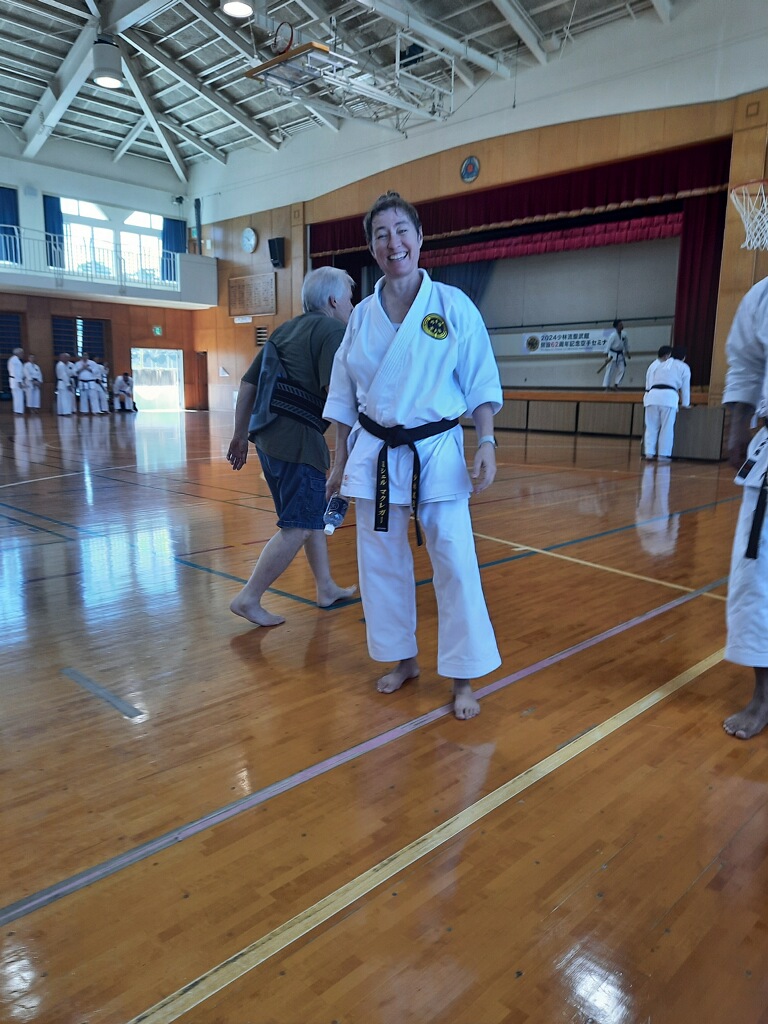
MEET SENSEI MICHELLE MACGREGOR
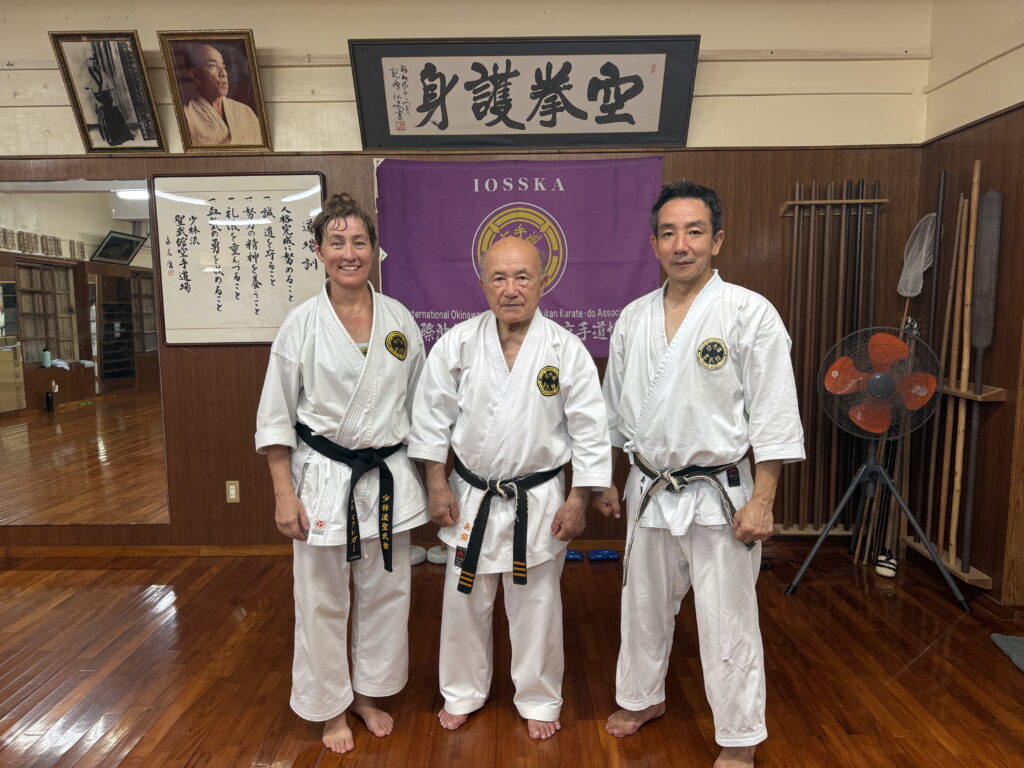
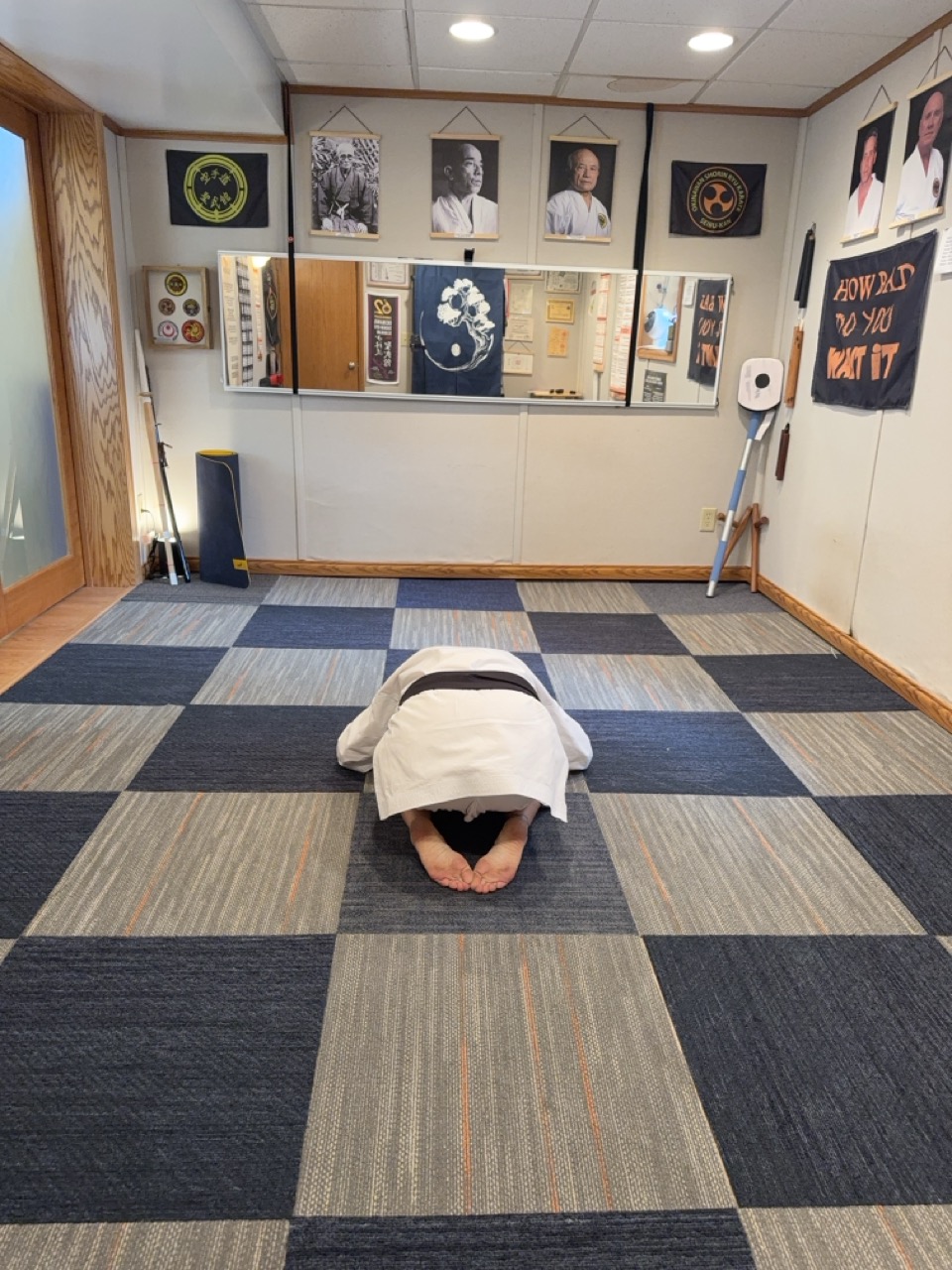
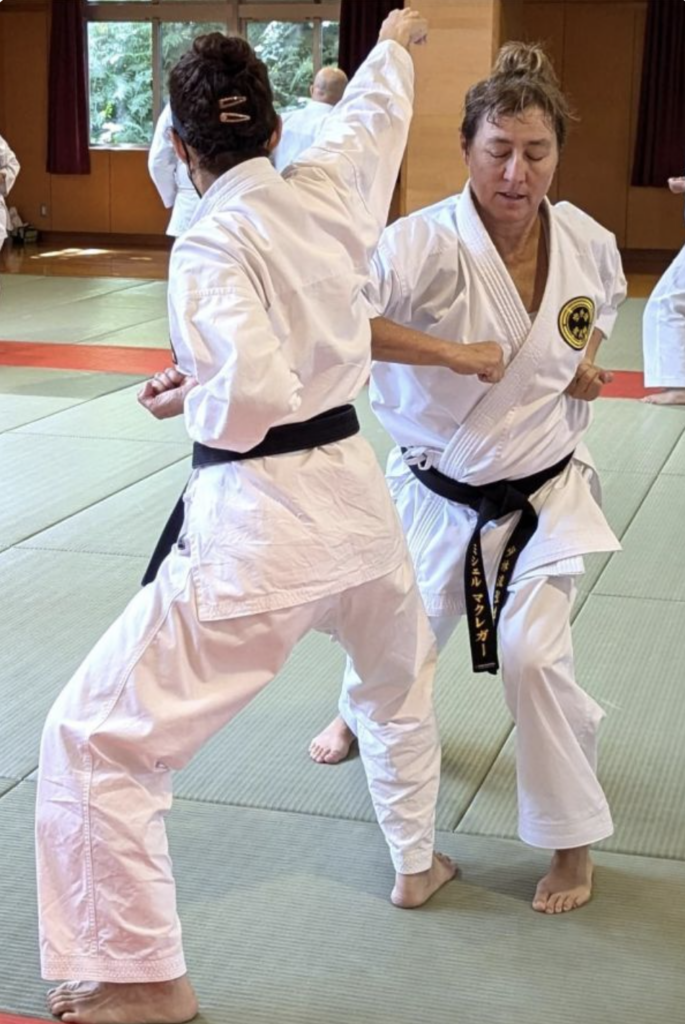
Michelle MacGregor is the Founder and Chief Instructor of Seibukan Karate at The Way Dōjō. She is committed to preserving the roots of Seibukan while building connections across generations, dōjō, and regions. A central part of her work is helping strengthen the wider Seibukan community through training, documentation, and the sharing of knowledge.
Michelle began her karate journey in 1983 under Sensei Bill Brassette at the Seibu-Kan Karate studio in Grand Junction, Colorado. After moving to Denver in 1985, she began teaching karate at a local recreation center and later at a Seibu-Kan branch dōjō in Lakewood.
Over the years, Michelle has maintained her practice in Seibukan while also studying and earning rank in American Kenpo and Matsubayashi-Ryū Shōrin-Ryū Karate. Her path ultimately brought her back to Seibukan and a renewed commitment to the art in which she began.
Today, her focus is the continued study, practice, and preservation of Seibukan as it is taught at its source in Okinawa. She has traveled to Okinawa to train with Hanshi Zenpō Shimabukuro and his sons, Zenshun and Zenei Shimabukuro, and continues to seek opportunities to train with and learn from senior members of the Seibukan community.
Her goal is not simply to preserve what has been handed down, but to help keep it alive — practiced, understood, shared, and passed forward.
GRATITUDE
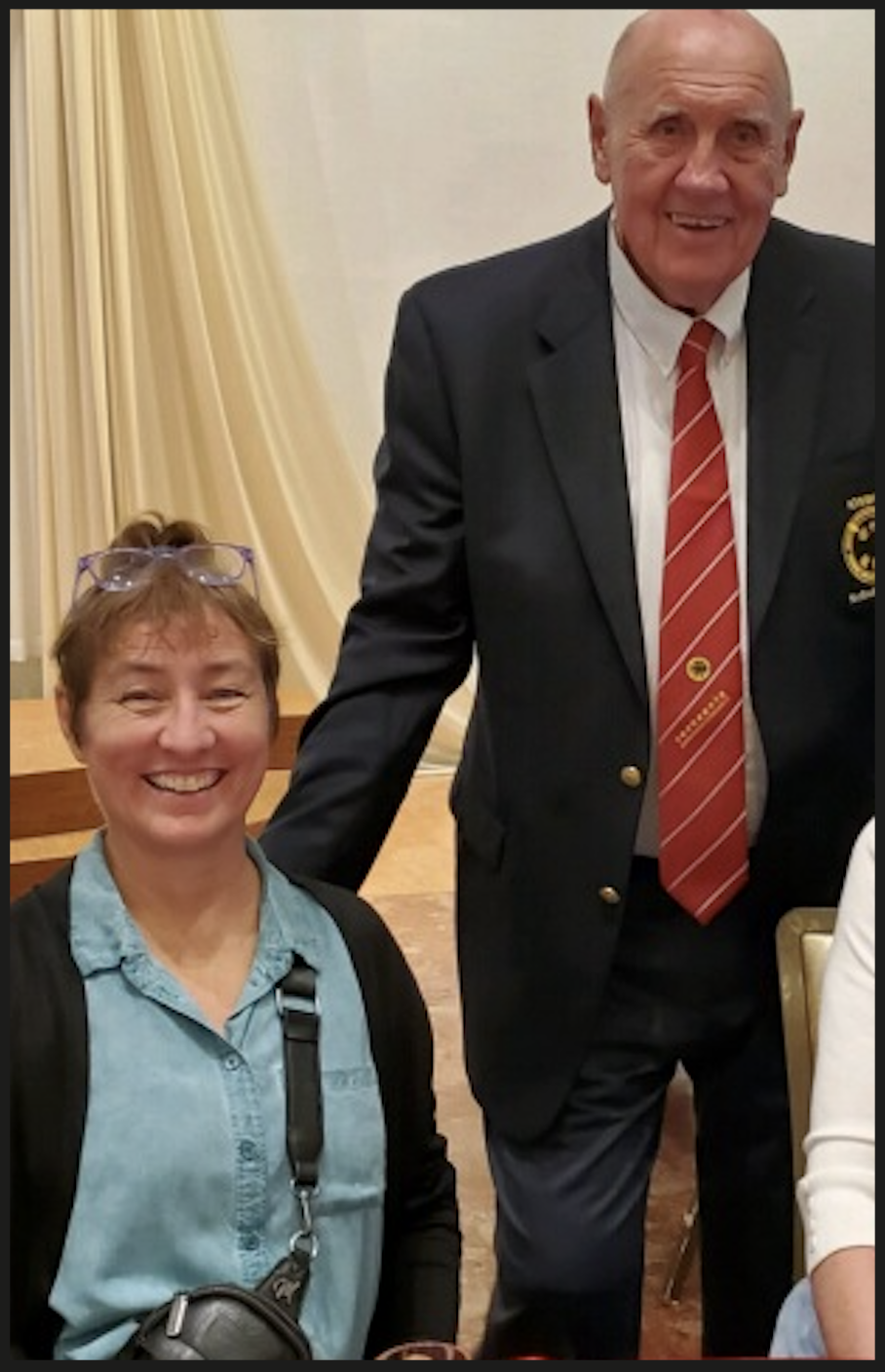
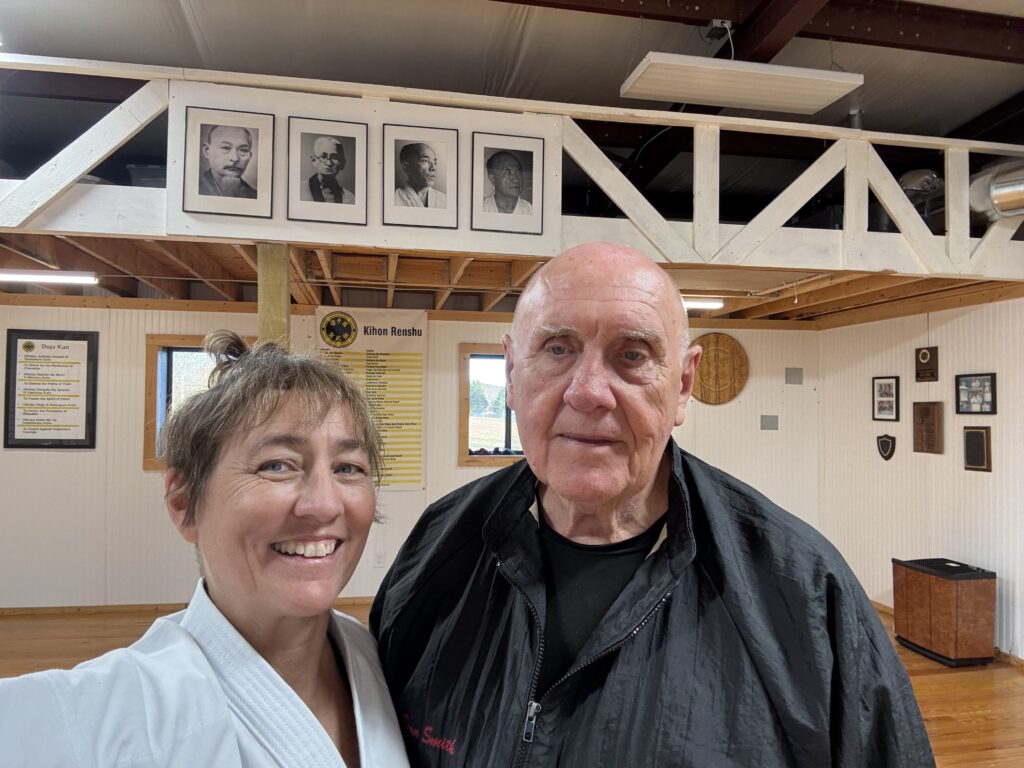
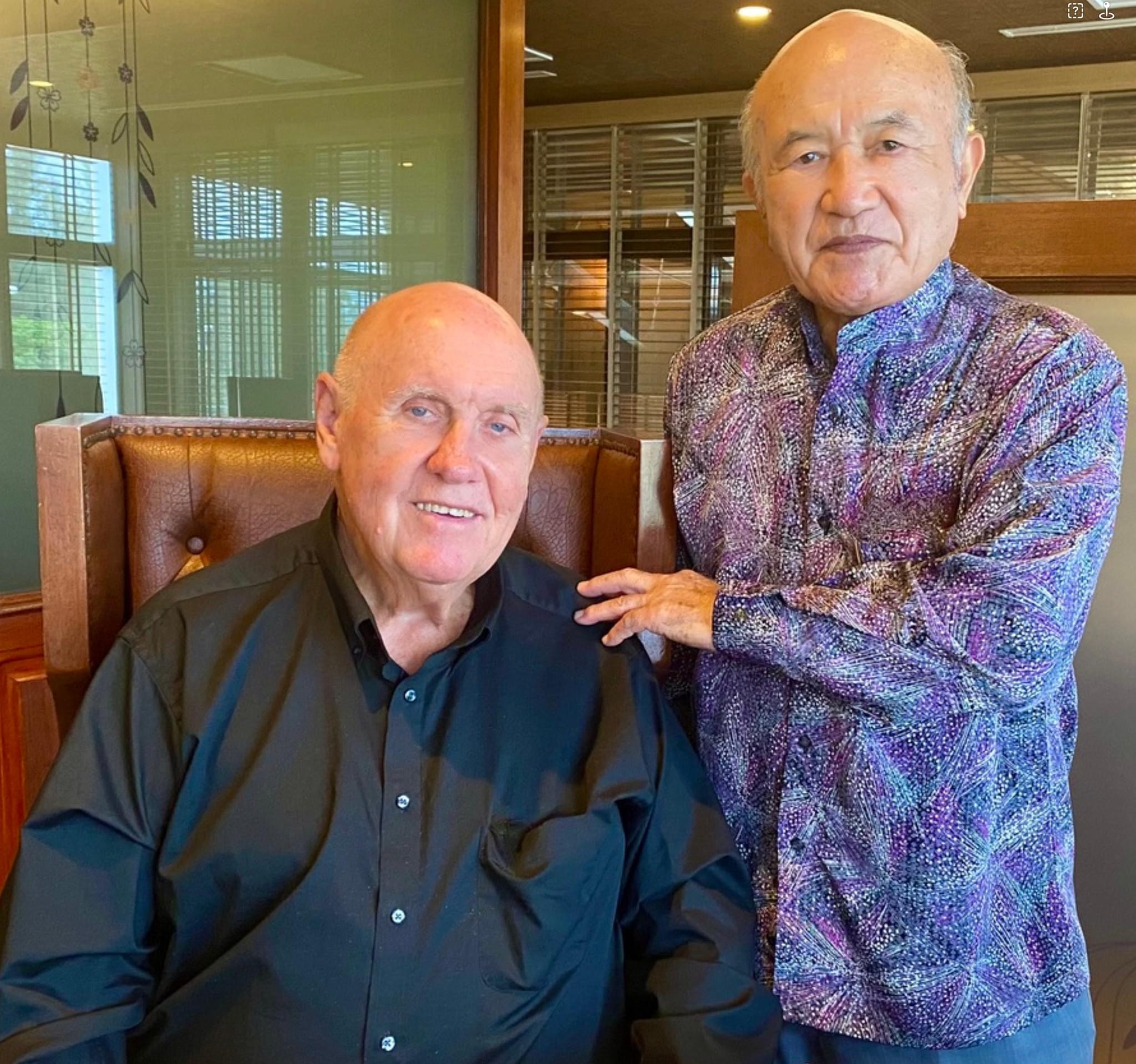
With deep gratitude to Shihan Bill Brassette, my original Sensei, who gave me my foundation in Seibukan Karate, and to Hanshi Dan Smith, whose knowledge and guidance have helped me continue along the path. I am honored to carry forward what they have shared with me.
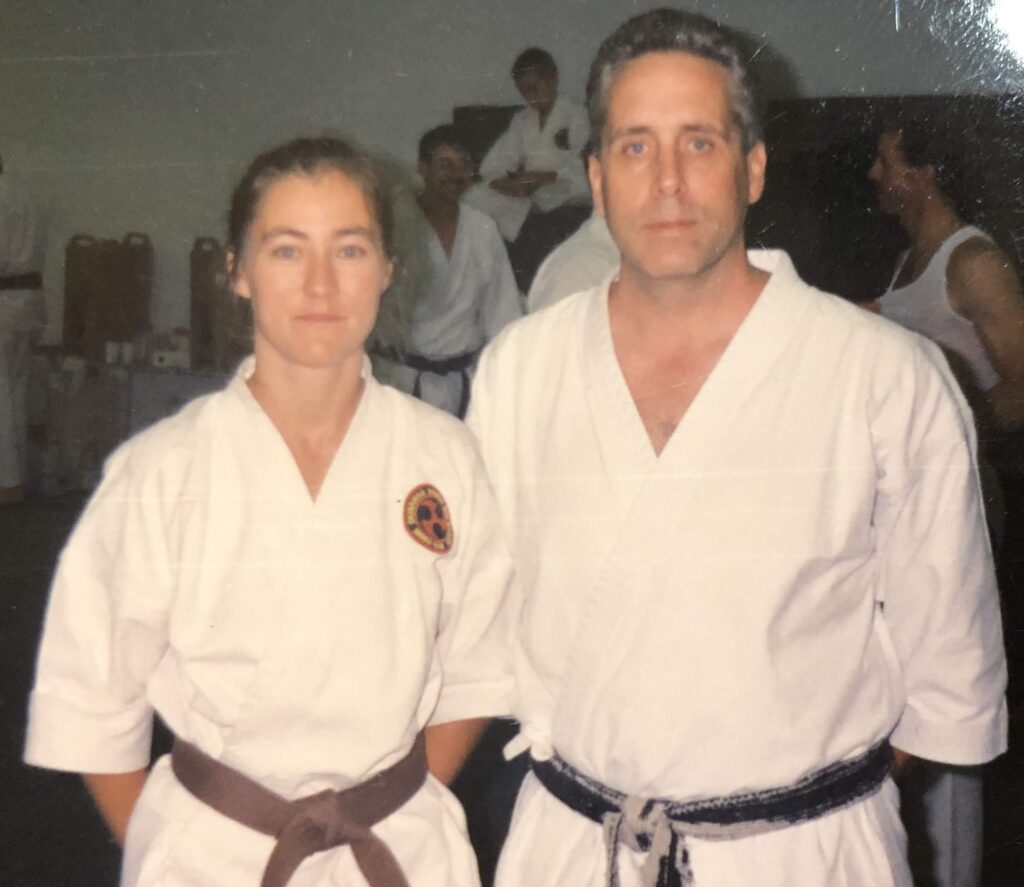
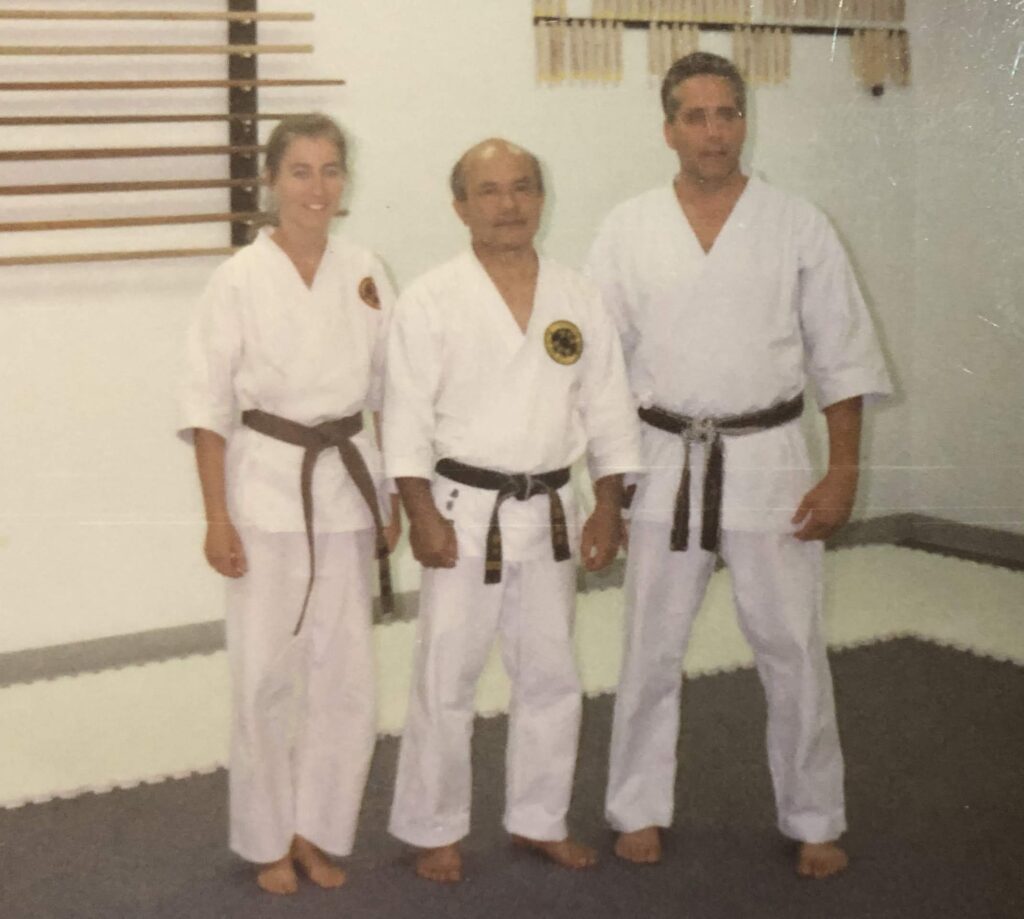
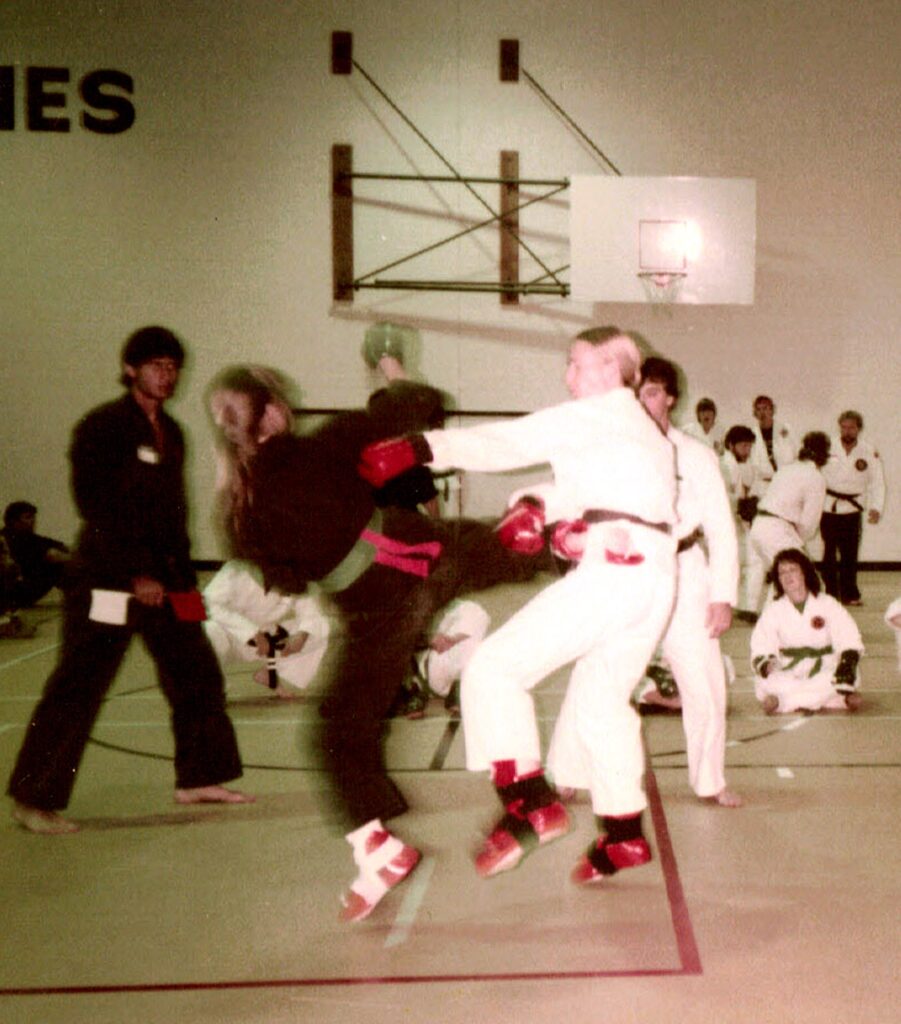
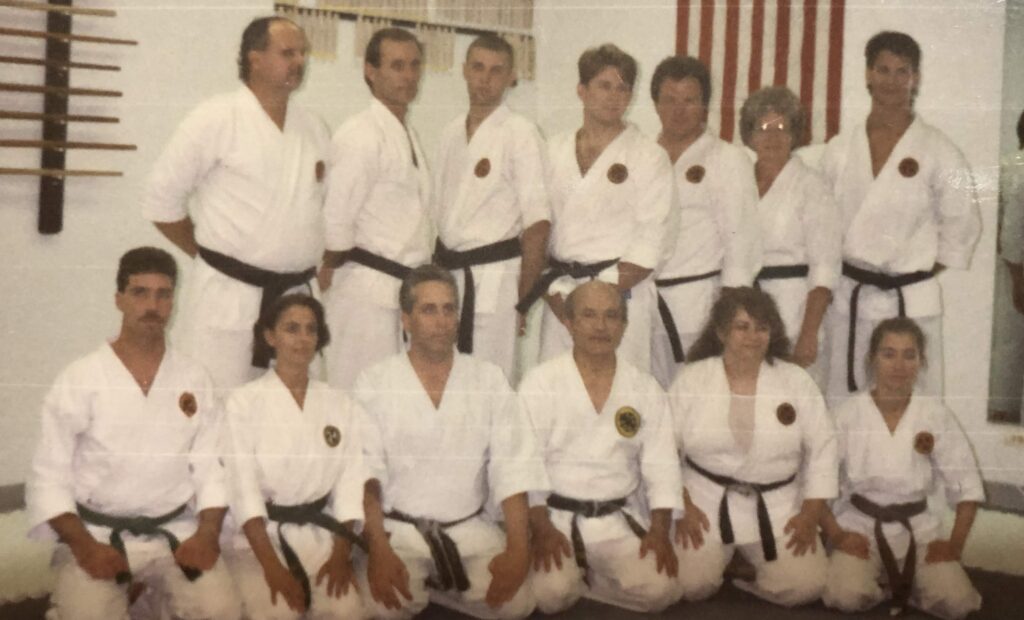
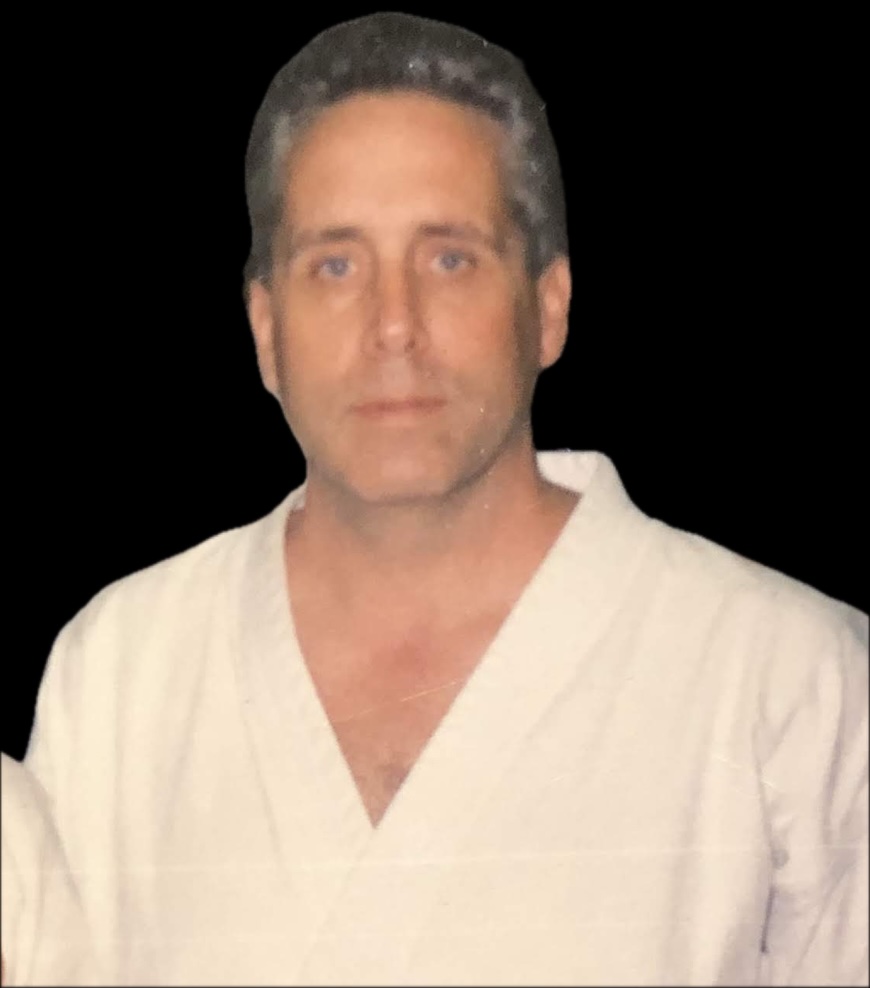
Shihan Bill Brassette is the founder and lead instructor of Seibu-Kan Dōjō in Grand Junction, Colorado, which he established in 1976. His teaching follows the karate of Chōtoku Kyan and the Shimabukuro family lineage, preserving the Seibukan tradition that has been at the heart of his practice for decades.
Bill has also studied Shorei-Kan Gōjū-Ryū under John Roseberry, a lineage passed from Chōjun Miyagi through Seikichi Toguchi, adding another depth of Okinawan karate experience to his many years of practice and teaching.
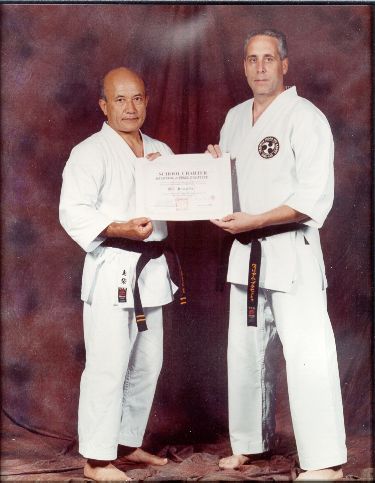
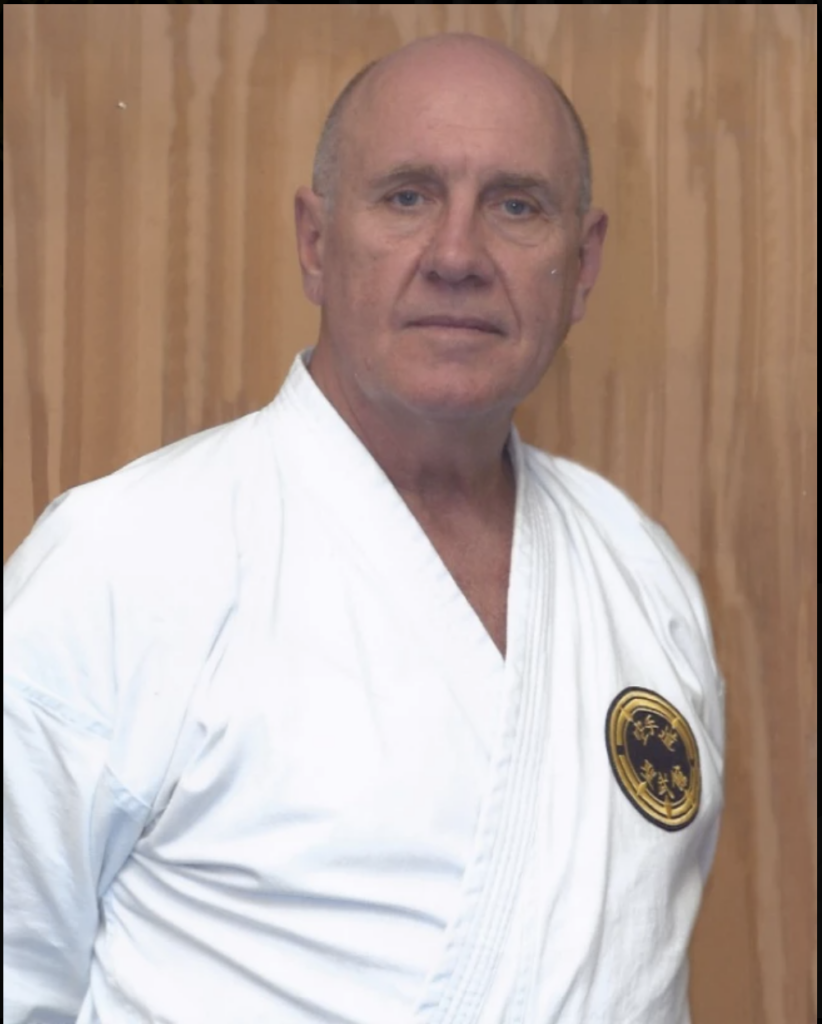
Hanshi Dan Smith, 10th Dan, has been a leading figure in the growth of Seibukan Karate in the United States and around the world. He lived and trained in Okinawa and has studied with Hanshi Zenpō Shimabukuro for more than 40 years, developing a deep connection to the Seibukan tradition and its Okinawan roots.
Dan has devoted much of his karate life to teaching, preserving, and sharing Seibukan, helping establish and strengthen its presence throughout the United States and internationally. He has also created kata, including Dorokyu and Kigan, and serves as President of Seibukan USA.
His decades of training, teaching, and guidance have helped carry Seibukan forward and connect generations of practitioners to its source in Okinawa.